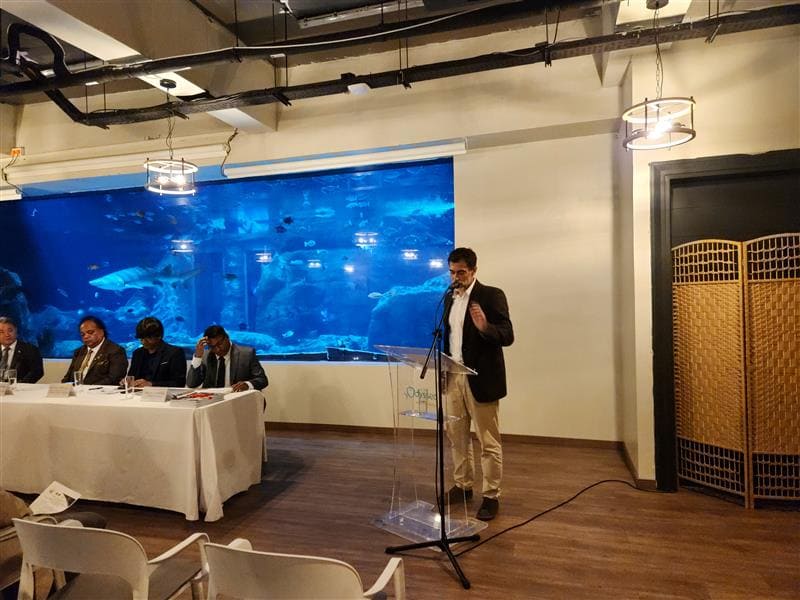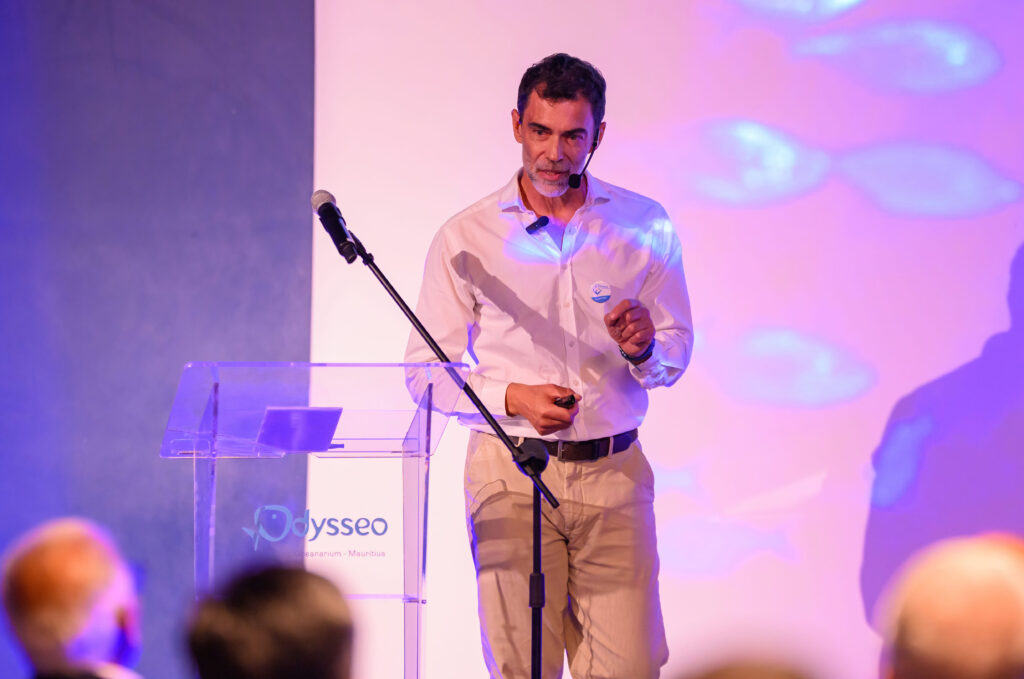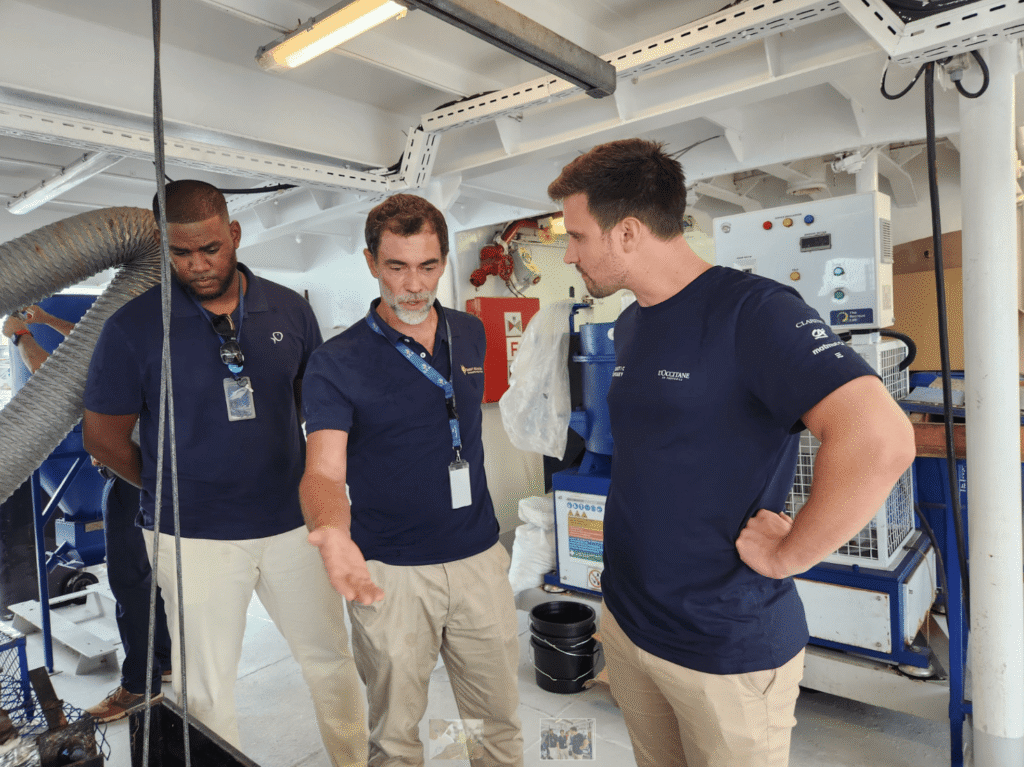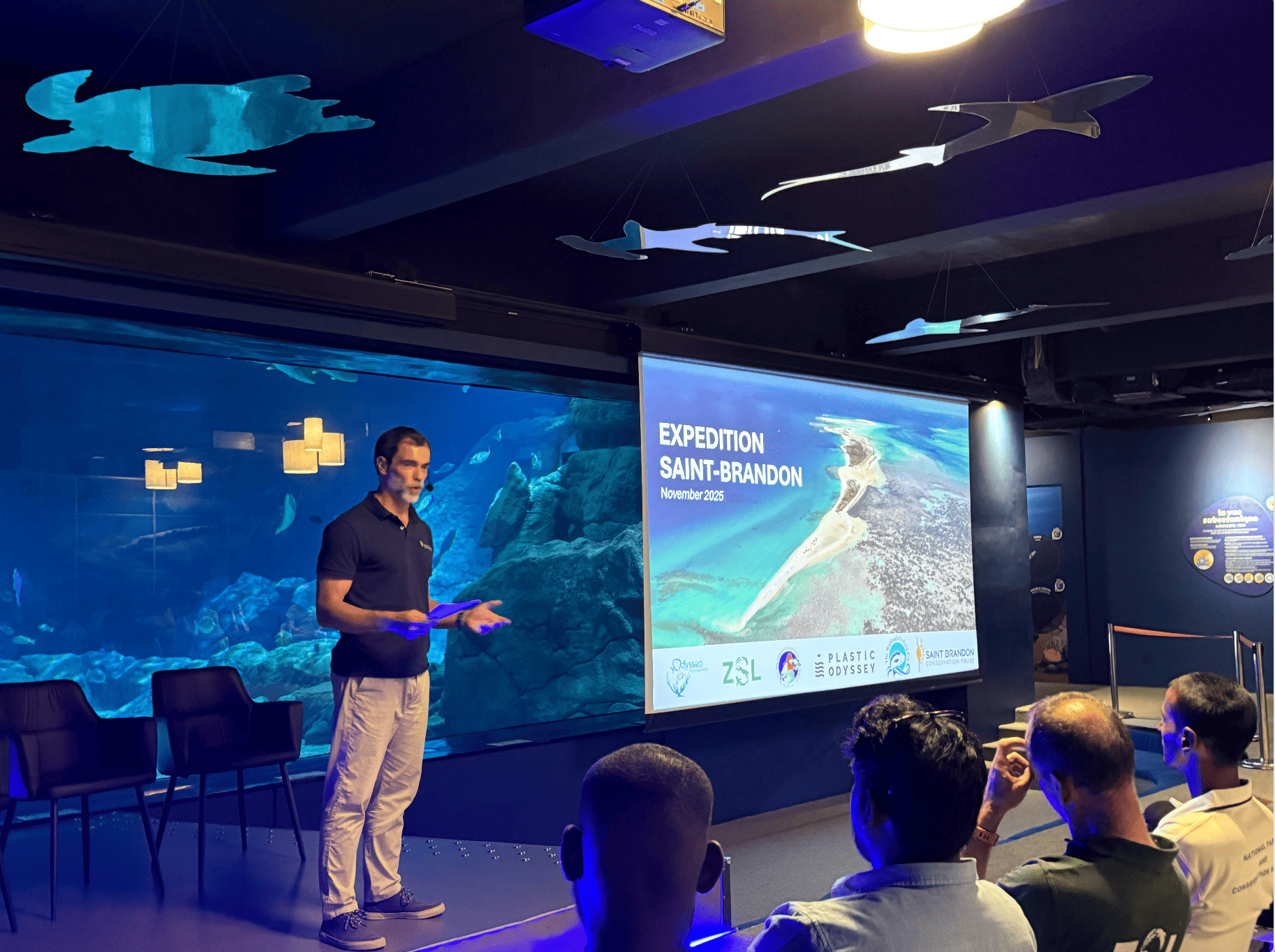
The ocean surrounds Mauritius, shaping its identity, economy and way of life. Protecting it is not only an environmental responsibility but a commitment to future generations. Odysseo Foundation was created in September 2024 to expand the mission of Odysseo Océanarium, beyond its walls, xxx into action through science, education and conservation.
We sat down with Bernardo Nascimento, Foundation manager, about the vision behind the initiative and how it aims to strengthen ocean conservation efforts in Mauritius and across the Indian Ocean.
Bernardo, what inspired the creation of Odysseo Foundation?
The idea emerged quite naturally from the journey of Odysseo itself. The oceanarium opened in 2021 with a very clear philosophy: learn, love, protect. From the beginning, it was designed as more than just an aquarium, it was meant to be a place where people reconnect with ocean and understand why it matters. Through interactive exhibits, guided visits and community initiatives like beach clean-ups, we saw first-hand how powerful education can be in building a culture of ocean stewardship. But we also realized that our mission should not stop at the doors of the aquarium. We understood that we needed to go outside the walls of the aquarium to reach even more people and hopefully create ambassadors for ocean protection and conservation.
That is why Odysseo Foundation was launched on 12 September 2024 to extend this commitment into real-world impact through marine research, ecosystem restoration and ocean education programmes across Mauritius.
What is the vision guiding Odysseo Foundation?
Our vision is simple but ambitious: ‘For a healthy and vibrant ocean. A brighter future for all.’ Mauritius is a nation whose territory is almost entirely ocean. The wellbeing of our communities, our biodiversity and our economy are all tied to the health of marine ecosystems.
Odysseo Foundation exists to connect science, education and innovation to protect these ecosystems. We aim to support projects that restore coral reefs and blue carbon ecosystems, advance marine research and promote ocean literacy among young people. Education is particularly important because we understand that the next generation will be the guardians of the ocean. If we can inspire curiosity and responsibility today, we can shape a more sustainable and regenerative future tomorrow. However while we wait for these young minds to grow and act, we as parents and the current generation need to do our part to protect the ocean.
You have worked internationally in marine conservation. What makes Odysseo Foundation unique?
For nearly three decades, the ocean has been both a personal passion and a professional calling for me. I have had the opportunity to work on projects and in aquariums across several countries, and what impressed me most here is how quickly and passionately Odysseo and Odysseo Foundation embraced marine conservation.
In just a few years, the team transformed an aquarium into a platform for environmental action and education. That momentum made the creation of a dedicated foundation a natural next step.
What also makes this initiative unique is the strong ecosystem around it, the support from Eclosia Group but also from our 5 foundation partners Beachcomber, MCB, Eclosia Solidarité, Terra and ER but also a highly skilled team and meaningful collaborations with researchers, NGOs, and educators.
Together these partnerships allow us to amplify our impact.
What kind of projects does the Foundation support?
At the Odysseo Foundation, our work is structured around several flagship initiatives that combine science, restoration, and education to protect marine ecosystems in Mauritius and across the Indian Ocean. Currently, Odysseo Foundation leads four major projects, each addressing a critical aspect of ocean conservation.
Blue Carbon Ecosystem Restoration
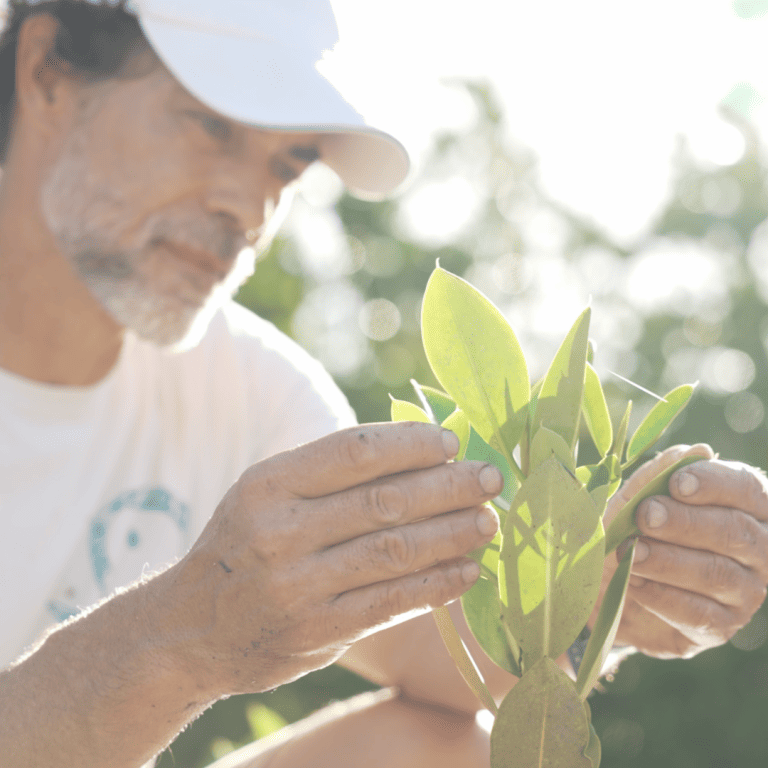
One of our key projects focuses on the restoration of blue carbon ecosystems, which include mangroves and seagrass meadows — habitats that play a crucial role in capturing carbon, protecting coastlines, and supporting marine biodiversity.
This coastal initiative aims to plant mangroves, study biodiversity through environmental DNA (eDNA), and assess carbon stocks stored within seagrass and mangrove ecosystems. A major innovation of the project is the development of the region’s first seagrass nursery grown from seeds, which will support future restoration efforts.
Beyond ecological restoration, the project also promotes sustainable livelihoods, including community-led initiatives such as mangrove honey production and entrepreneurship training.
The programme also places strong emphasis on awareness and education, with the ambition to sensitize up to 100,000 people on marine conservation.
Indian Ocean Coral Seeding Initiative
Another pioneering project is the Indian Ocean Coral Seeding Initiative, led by SECORE International. This initiative introduces sexual coral reproduction techniques to Mauritius. Instead of fragmenting existing corals, the method raises coral larvae from gametes collected during natural spawning events, allowing the production of large numbers of genetically diverse corals.
The project also includes the creation of a capacity-building facility where scientists, students, and conservation practitioners from the region can be trained in coral restoration techniques. Because the method is scalable and cost-effective, it has the potential to support reef restoration across much larger areas.
Safeguarding Saint Brandon’s Natural Heritage
Protecting remote and fragile ecosystems is another priority for the Foundation. The Safeguarding Saint Brandon’s Natural Heritage project focuses on the conservation of the unique biodiversity of the Saint Brandon Archipelago. Developed in collaboration with the Saint Brandon Conservation Trust, the project addresses three key objectives:
Expanding scientific knowledge of the archipelago’s biodiversity and ecosystems Tackling its four major threats: invasive species, shipwrecks, plastic pollution, and illegal fishing. Advocating for the official designation of Saint Brandon as a protected area
Blue Economy Hub
Looking ahead, Odysseo Foundation is also developing the Blue Economy Hub, an innovative modular campus designed to bring together government institutions, scientists, universities, and the private sector.
The hub will serve as a collaborative platform dedicated to the sustainable management of Mauritius’ 2.3 million km² Exclusive Economic Zone (EEZ), allowing researchers and partners to work together on ocean science, conservation, and blue economy innovation.
Odysseo @ the Schools
In addition to these flagship programmes, Odysseo Foundation also runs outreach initiatives such as Odysseo @ the Schools, which aims to bring ocean literacy and marine conservation education directly into classrooms. Through workshops, talks, and interactive learning activities, the programme helps young Mauritians better understand the ocean and their role in protecting it.
What does the future look like for Odysseo Foundation?
In many ways, this is only the beginning.
Odysseo Foundation was created to scale the impact of Odysseo, transforming inspiration into long-term conservation initiatives.
Mauritius has a close link with the ocean, and this moment represents an important step forward for marine protection in the region.
If we work together scientists, educators, institutions, and communities we can ensure that the Indian Ocean remains healthy and vibrant for generations to come.
For me personally, it is a privilege to contribute to such a meaningful initiative and to collaborate with such committed partners.
And I truly believe that the most exciting chapter of this journey is still ahead of us.